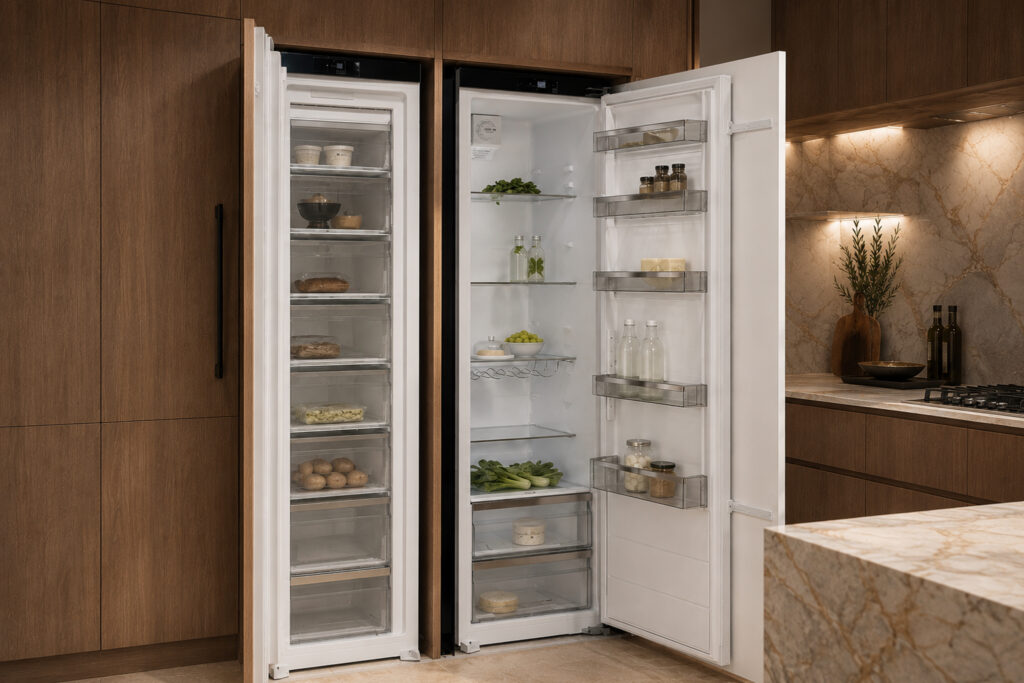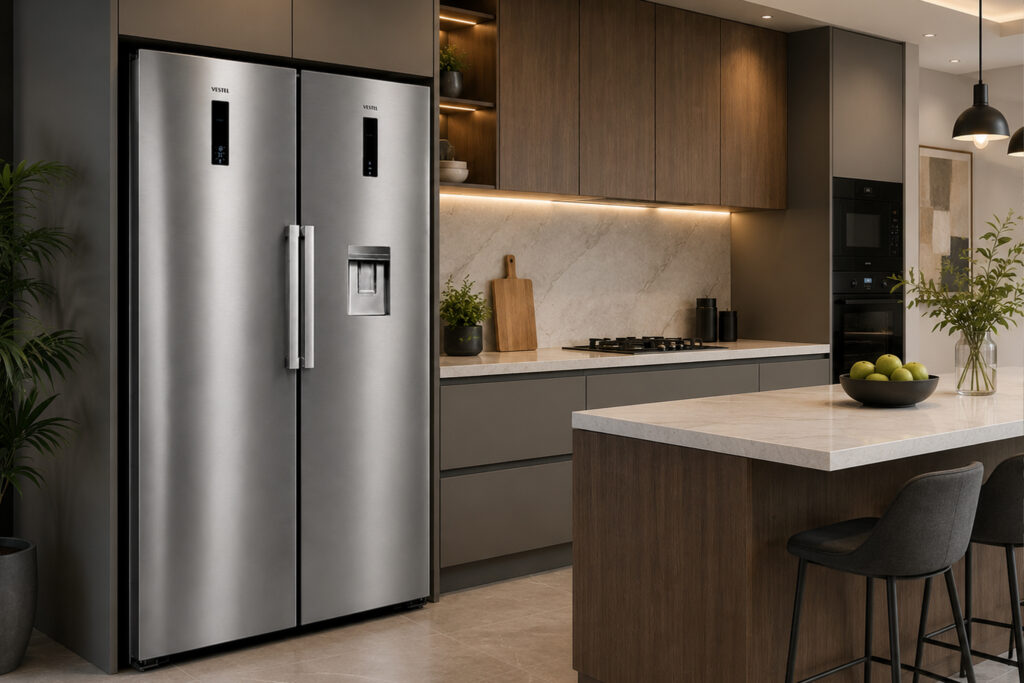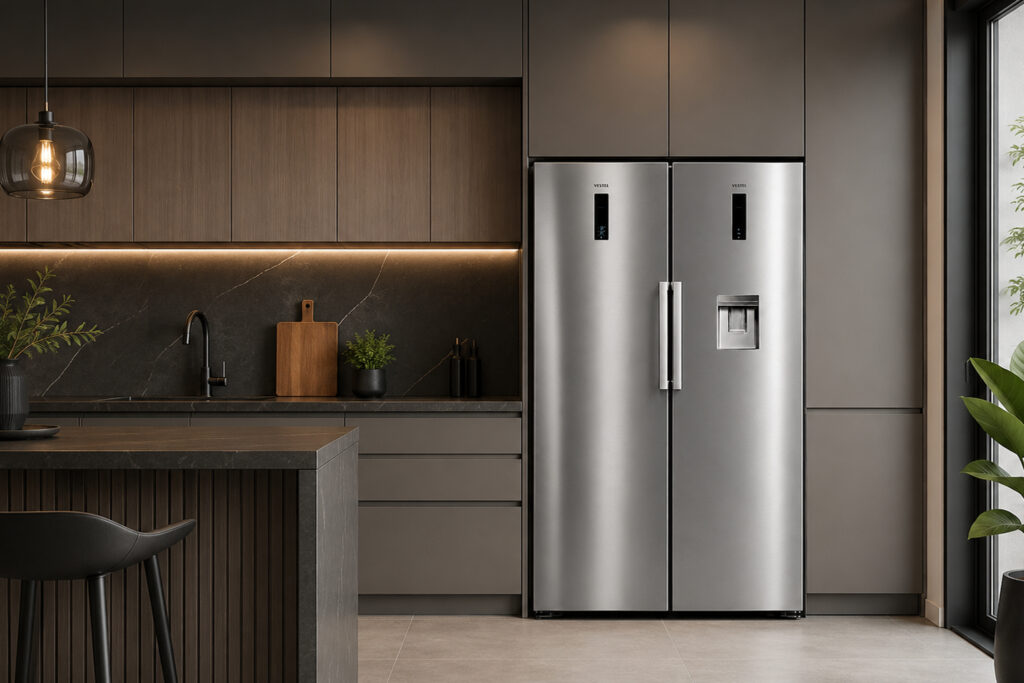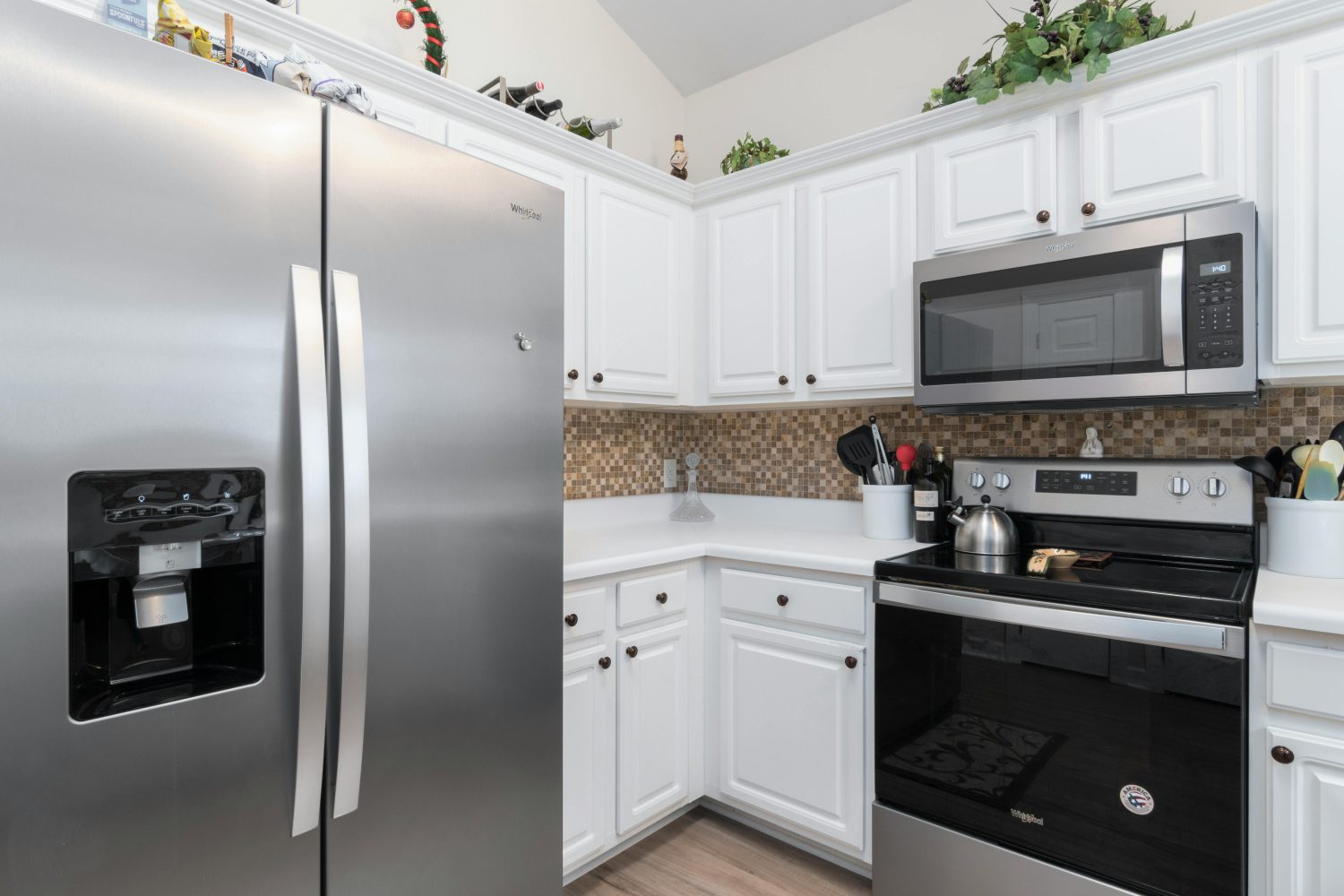
Refrigerators are an essential part of modern kitchens, helping households preserve food, maintain freshness, and reduce waste. When choosing a refrigerator, buyers often encounter two main technologies: frost refrigerators (direct cool) and no-frost refrigerators (frost-free). Both technologies serve the same purpose but differ significantly in how they cool, manage moisture, and maintain internal temperatures.
Many buyers assume that frost-free refrigerators are automatically better because they are newer and more advanced. However, understanding the disadvantages of no frost refrigerator technology, along with its advantages, is important before making a purchase decision. At the same time, traditional frost refrigerators still offer benefits that make them suitable for certain households.
In this guide, we will explore how both refrigerator types work, examine the pros and cons of no-frost refrigerator technology, highlight the advantages of no frost fridge systems, and provide a clear comparison to help you decide which option is best for your home.
>> Related Post: 5 Most Popular Refrigerator Types for Homes in Pakistan
Understanding Frost and No-Frost Refrigerator Technology
Before comparing their advantages and limitations, it is helpful to understand how each refrigerator type operates.
A frost fridge commonly referred to as a direct cool refrigerator, uses natural convection to circulate cold air. As the refrigerant cools the evaporator coils, moisture inside the refrigerator freezes on those coils, gradually forming frost. Over time, this frost accumulates and reduces cooling efficiency. To maintain proper performance, the refrigerator must be turned off periodically so the frost can melt and be removed manually.
A no-frost fridge, also known as a frost-free refrigerator, works differently. Instead of allowing frost to accumulate, it uses internal fans to circulate cold air evenly throughout the refrigerator. The system also includes automatic defrost cycles that melt any frost buildup before it becomes visible inside the fridge.
Because of this design, frost-free refrigerators maintain more stable temperatures across shelves and compartments. Appliance experts note that these systems rely on active air circulation to distribute cooling evenly and prevent frost formation on cooling coils.
>> Related Post: Best Vertical Deep Freezers to Buy in Pakistan in 2026
Pros of Frost Refrigerators:
1. Lower purchase cost
One of the biggest advantages of frost refrigerators is their affordability. These refrigerators have a simpler internal design and fewer components, which allows manufacturers to produce them at a lower cost. As a result, frost refrigerators are usually more budget-friendly and accessible to a wider range of households.
2. Lower electricity consumption
Because frost refrigerators rely on natural air circulation rather than mechanical fans or defrost heaters, they typically consume less electricity. For households focused on reducing power usage or managing electricity bills, this can be an important advantage.
3. Quiet operation
Direct cool refrigerators generally operate more quietly than frost-free models. Since there are no internal fans constantly circulating air, these refrigerators produce minimal operational noise.
4. Higher humidity levels
Frost refrigerators tend to maintain slightly higher humidity levels inside the fridge. This can help certain foods, particularly vegetables and fruits, retain moisture for longer periods compared to frost-free environments.
Cons of Frost Refrigerators:
1. Manual defrosting is required
The most significant disadvantage of frost refrigerators is the need for manual defrosting. Ice gradually forms on the freezer walls and cooling coils, and if it is not removed regularly, it can reduce the refrigerator’s efficiency. Users must periodically turn off the appliance and allow the ice to melt before cleaning it out.
2. Uneven cooling distribution
Because frost refrigerators rely on natural airflow, cold air may not reach every part of the refrigerator evenly. Some shelves may become colder than others, which can affect how food is stored and preserved.
3. Ice buildup reduces usable space
As frost accumulates inside the freezer, it can occupy valuable storage space. If not removed regularly, the buildup may limit the amount of food that can be stored.
4. Reduced cooling efficiency over time
When frost accumulates on cooling coils, it acts as insulation and reduces the refrigerator’s ability to cool effectively. This can eventually increase energy consumption and affect food preservation if the frost is not removed.
>> Related Post: Built-In vs Freestanding Fridge: Key Differences Every Buyer Should Know
Advantages of No-Frost Refrigerators:
1. No manual defrosting required
One of the most widely recognized advantages of no frost fridge technology is that it eliminates the need for manual defrosting. Automatic defrost systems periodically melt frost buildup, preventing ice from forming inside the freezer or refrigerator compartments.
2. More consistent cooling
Frost-free refrigerators circulate cold air using internal fans. This ensures that all shelves receive a similar level of cooling, which helps maintain consistent temperatures throughout the refrigerator.
3. Faster cooling recovery
When the refrigerator door is opened, warm air enters the compartment. No frost refrigerators restore the internal temperature more quickly because their airflow systems redistribute cold air efficiently.
4. Better use of storage space
Since frost does not accumulate on the freezer walls, the entire storage area remains usable. This makes frost-free refrigerators particularly useful for households that store large amounts of food.
5. Convenient for larger households
For families that frequently open the refrigerator door, frost-free systems maintain stable temperatures more effectively than direct cool refrigerators.
Disadvantages No-Frost Refrigerators:
1. Higher upfront cost
One of the primary disadvantages of no frost refrigerator systems is the higher purchase price. Frost-free refrigerators contain additional components such as fans, heating elements, and electronic sensors, which increase manufacturing costs.
2. Slightly higher electricity usage
Because frost-free refrigerators rely on fans and automatic defrost systems, they may consume slightly more electricity than direct cool refrigerators.
3. Food may dry out faster
Continuous airflow inside the refrigerator can reduce humidity levels. As a result, uncovered food items may lose moisture faster. Experts note that frost-free systems circulate air constantly to prevent frost buildup, which can lower humidity levels inside the refrigerator.
4. Minor operational noise
The fans used to circulate air inside frost-free refrigerators may produce a small amount of noise during operation. While modern designs minimize this sound, it can still be noticeable in very quiet environments.
>> Related Post: Top 5 Best Fridge/Refrigerator Brands in Pakistan for 2026
Key Differences Between Frost and No-Frost Refrigerators
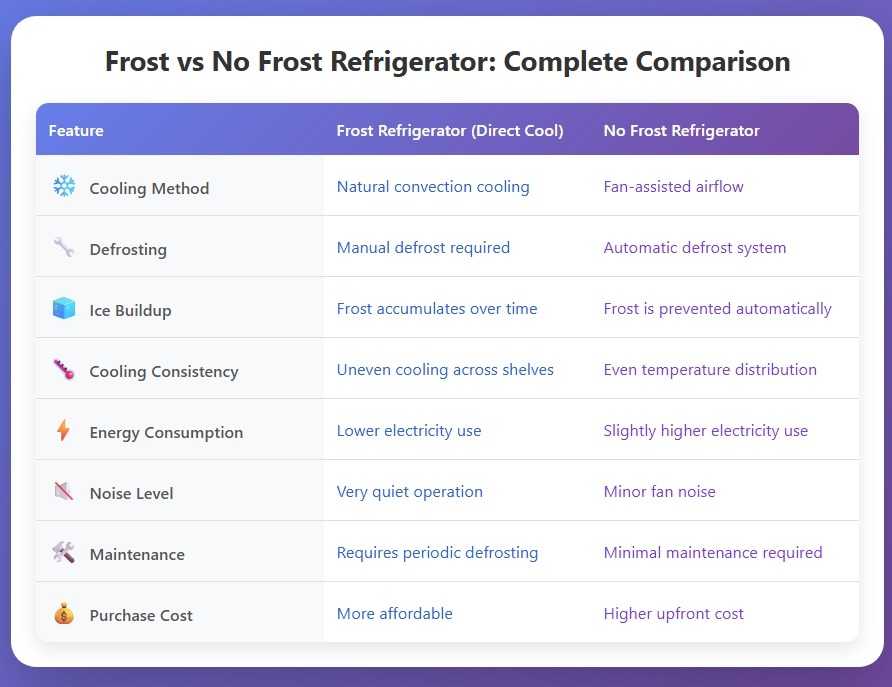
Although both refrigerator types serve the same function, their cooling methods, maintenance requirements, and overall convenience differ significantly. The following table summarizes the key differences between the two technologies.
No Frost Refrigerator Technology with Vestel Pakistan
When purchasing a refrigerator, choosing a trusted brand is just as important as choosing the right technology. At Vestel Pakistan (one of the best fridge brands in Pakistan), refrigerators are designed to combine advanced cooling systems with reliable everyday performance.
While buyers often consider the disadvantages of no frost refrigerator technology, modern engineering has significantly improved frost-free systems. Better airflow design, improved insulation, and energy-efficient components help address many of the limitations associated with earlier frost-free refrigerators.
Vestel refrigerators are designed to provide consistent cooling performance while maintaining energy efficiency and practical storage solutions for modern kitchens.
FAQs
1. What are the disadvantages of no frost refrigerator models?
They may cost more, consume slightly more electricity, and continuous airflow may dry uncovered food faster.
2. What are the advantages of no frost fridge technology?
They eliminate manual defrosting, provide even cooling, and maintain consistent temperatures inside the refrigerator.
3. Is a frost-free refrigerator better than a direct cool refrigerator?
Frost-free refrigerators offer more convenience and consistent cooling, while direct cool refrigerators are more affordable.
4. Do frost-free refrigerators consume more electricity?
They may use slightly more electricity due to internal fans and automatic defrost systems.
5. Why does frost form inside direct cool refrigerators?
Frost forms when moisture inside the refrigerator freezes on the evaporator coils during the cooling process.
6. How often should frost refrigerators be defrosted?
Most frost refrigerators should be manually defrosted every few months depending on the amount of frost buildup.
7. Can food dry out in a no frost refrigerator?
Yes, airflow can reduce humidity. Using sealed containers helps prevent food from drying.
8. Which refrigerator is better for large families?
No frost refrigerators are often better suited for larger households because they maintain consistent cooling with frequent door openings.
9. Are frost refrigerators cheaper than frost-free refrigerators?
Yes, frost refrigerators generally have lower upfront costs due to simpler cooling systems.
10. Where can I buy Vestel refrigerators in Pakistan?
Visit Vestel Pakistan’s refrigerator collection to explore our full range of models
Related Posts