If you’re setting up a new kitchen or upgrading your cooking space, one of the biggest decisions you’ll face is choosing between different types of hobs. It might seem simple at first, gas or electric, but once you dig deeper, you’ll find multiple options, each with its own pros, limitations, and ideal use cases.
From traditional gas stoves to sleek electric glass tops and modern induction hobs, today’s kitchens offer more flexibility than ever. But which one is right for you? The answer isn’t just about technology; it’s about how you cook every day. Do you prefer slow-cooked curries? Quick stir-fries? Minimal cleaning? Or a modern aesthetic? All of these factors play a role.
In Pakistan, especially, the decision also depends on practical realities, including gas availability, electricity reliability, and kitchen layout. Many households even combine two solutions (such as gas and induction) to balance convenience and backup options.
In this guide, we’ll break down the different types of hobs, compare gas vs electric vs induction, and help you understand what actually matters when choosing the right stove for your home.
What Are the Different Types of Hobs/Stoves in 2026?
When people talk about hob types, they’re usually referring to the heat source and cooking mechanism. The three main categories include:
1. Gas Hobs
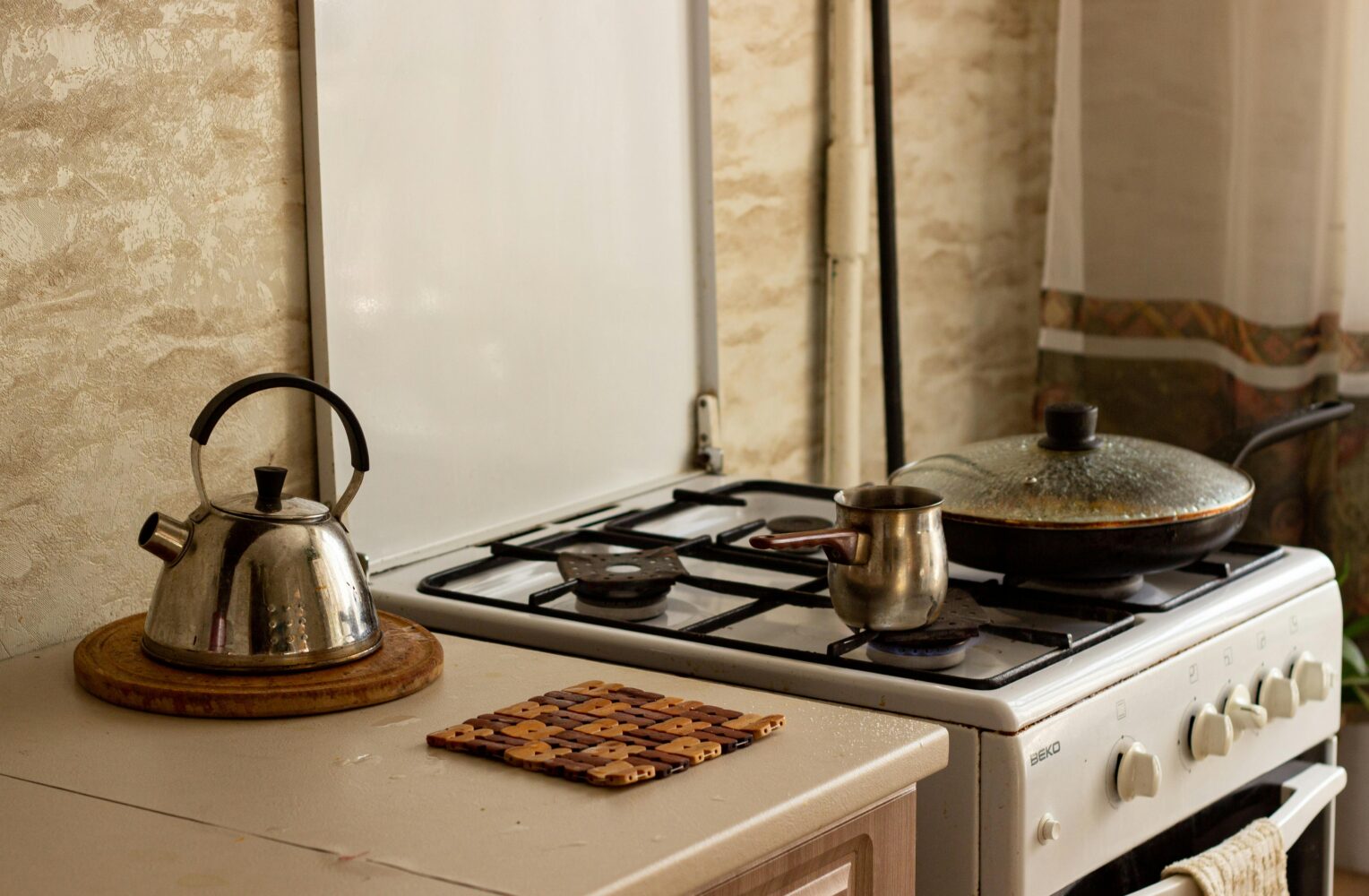
Gas hobs use a direct flame powered by natural gas or LPG. They’ve been a kitchen staple for decades and are still widely used across Pakistan.
They are especially common in households where cooking involves high heat, open-flame techniques, or traditional cookware such as woks and karahis. Gas hobs also work during power outages, which makes them a reliable option in many areas.
Another important factor is flexibility. Gas hobs don’t require any special cookware, and they adapt easily to different cooking styles. This makes them a go-to choice for families that cook multiple meals daily.
2. Electric Hobs
Electric hobs use heated coils or smooth glass-ceramic surfaces to transfer heat to cookware. They offer a cleaner, more modern look. These hobs are typically built into kitchen counters and are preferred in contemporary kitchen designs. They are also popular among users who want a clutter-free cooking surface without visible burners.
Electric hobs are also ideal for people who prioritize consistency over speed. Since they distribute heat evenly, they are well-suited for recipes that require controlled cooking over longer periods.
3. Induction Hobs
Induction hobs use electromagnetic technology to directly heat cookware instead of the surface itself. This makes them faster, safer, and more energy-efficient. They represent the latest evolution in cooking technology and are increasingly popular among users who want precision cooking, energy savings, and safety, especially in homes with children.
Induction hobs also align well with modern smart kitchens, where efficiency, speed, and minimal heat loss are key priorities. As awareness grows, more homeowners are shifting toward this advanced solution.
Each of these types of stoves has its own strengths, depending on your cooking style, budget, and kitchen setup.
>> Related Post: Best Glass Hobs for Modern Kitchens in Pakistan: Price & Features
Gas Hobs: Traditional, Powerful & Familiar
Gas hobs are still the most commonly used option in many households, and for good reason.
Why People Still Prefer Gas
Cooking on gas gives you instant control. You can see the flame, adjust it quickly, and use any type of cookware without worrying about compatibility. According to insights from Samsung, gas hobs remain popular because of their responsiveness and versatility in everyday cooking.
Another major reason is familiarity. Most people grow up cooking on gas, so switching to another type can feel uncomfortable at first. For professional chefs as well, gas often remains the preferred choice because it allows visual and tactile control.
Gas also performs well under varying conditions. Whether you’re cooking in large quantities or using oversized cookware, gas burners provide consistent performance without limitations.
Pros of Gas Hobs
- Instant heat control (high to low in seconds)
- Works with all types of pots and pans
- Ideal for traditional cooking styles (roti, karahi, etc.)
- No electricity required
Gas also allows techniques like flame roasting or direct heat exposure, which is difficult to achieve on electric or induction surfaces. This is particularly useful for Pakistani cuisine where high heat is often required.
Cons of Gas Hobs
- Less energy-efficient compared to induction
- Heat loss around the flame
- Requires proper ventilation
- Cleaning can be slightly more effort
Additionally, gas hobs may require regular maintenance to ensure burners function properly and safely. Gas hobs are perfect if you prefer hands-on cooking and want full control over your flame. However, they may not be the best choice if you’re looking for energy efficiency or a sleek, modern finish.
>> Related Post: 2026 Kitchen Hob Trends: Style, Function, and Technology
Electric Hobs: Sleek, Simple & Modern
Electric hobs are often chosen for their clean design and ease of use. They’re especially popular in modern kitchens.
How Electric Hobs Work
Electric hobs heat up a surface, which then transfers heat to your cookware. Electric stoves tend to provide more even heating compared to gas, making them suitable for slow cooking and simmering.
This makes electric hobs a great option for dishes that require consistent temperatures, such as sauces, soups, or desserts. Electric hobs are also widely used in apartments or spaces where gas connections may not be available or practical.
Pros of Electric Hobs
- Smooth, modern appearance
- Easier to clean (especially glass tops)
- Even heat distribution
- No open flame
Cons of Electric Hobs
- Slower to heat up and cool down
- Higher electricity consumption
- Less precise temperature control than gas
Because of the slower response time, it may take a bit of adjustment if you’re used to the instant control of gas hobs. Electric hobs are great if aesthetics and low maintenance matter to you, especially in kitchens where design plays a major role.
>> Related Post: Best Hobs/Stoves to Buy in Pakistan for 2026
Induction Hobs: Fast, Safe & Energy-Efficient
Induction hobs are the most advanced among all types of hobs, and they’re quickly becoming the preferred choice in modern homes.
How Induction Works
Instead of heating the surface, induction uses electromagnetic currents to directly heat the cookware. This means faster cooking and minimal energy loss. Allrecipes highlights that induction cooking is significantly more efficient because almost all the heat goes directly into the pan. This not only saves energy but also reduces cooking time, making it ideal for busy households.
Another key benefit is precision. Induction allows very accurate temperature control, which is useful for delicate recipes or when multitasking in the kitchen.
Pros of Induction Hobs
- Extremely fast heating (boils water quickly)
- Energy-efficient (less heat waste)
- Safer (surface stays relatively cool)
- Easy to clean
Cons of Induction Hobs
- Requires compatible cookware (magnetic base)
- Higher upfront cost
- Dependent on electricity
Despite the initial investment, many users find induction worth it due to long-term savings and convenience. Induction is ideal if you want speed, safety, and a premium cooking experience.
Types of Hobs Available at Vestel Pakistan
Vestel’s lineup covers all major hob types, making it easy to find something that matches both your cooking habits and kitchen design.
For modern, fast-paced cooking, options like the 2 Zone Induction Hob GI30-001 and 4 Zone Induction Hob 60cm GI60-018 offer quick heating, energy efficiency, and sleek touch controls.
If you prefer electric solutions, Vestel also offers options like the 4 Burner Electric Hot Plate 60 cm and the compact 2 Burner Vitroceramic Electric Hob 30cm. These are perfect for users who want even heating and a smooth, easy-to-clean surface.
For those who still prefer traditional cooking, Vestel’s gas hobs provide reliability and performance. Models like the 3 Burner Glass Hob BH-8113SMB, 3 Burner Hob BH-7513SMX, and the premium 5 Burner Black Glass Gas Hob 75 cm are designed for high-performance cooking with a modern finish.
>> You can explore the full collection of Vestel Pakistanand discover hobs designedfor modern, efficient everyday cooking.
FAQs
1. What are the main types of hobs?
The main types of hobs are gas, electric, and induction, each using a different heating method.
2. Which hob is best for Pakistani cooking?
Gas hobs are commonly preferred due to flame control, but induction is gaining popularity for convenience.
3. Are induction hobs better than gas?
Induction is more energy-efficient and safer, but gas offers better control for traditional cooking.
4. Do induction hobs use a lot of electricity?
They use electricity but are highly efficient, often consuming less energy overall.
5. Can I use normal pots on induction?
No, induction requires cookware with a magnetic base.
6. Are electric hobs safe?
Yes, they are safe as they don’t use open flames, but surfaces can remain hot after cooking.
7. Which hob is easiest to clean?
Induction and electric glass hobs are the easiest to clean due to their smooth surfaces.
8. Is gas cheaper than induction?
Gas is usually cheaper upfront, but induction can save money in the long run through efficiency.
9. Which hob heats the fastest?
Induction hobs heat the fastest because they transfer energy directly to the cookware.
10. How do I choose between different types of hobs?
Consider your cooking habits, kitchen setup, budget, and safety needs before deciding.
Related Posts