Low gas pressure at breakfast is a familiar problem in Pakistani homes, and this year it got worse. Gas shortages linked to disrupted LNG supplies have pushed many families to look at induction hobs as a backup or a full replacement. Before you buy, it helps to know exactly what you gain and what you give up. This guide covers the induction cooktop pros and cons that matter in Pakistan, from safety and speed to cookware and your electricity bill.
What is an Induction Cooktop?
An induction cooktop is a flat glass hob that heats your pan with a magnetic field instead of a flame. A copper coil under the glass creates that field when you switch on a zone. The field heats the base of an iron-based pan directly, so the pan itself becomes the heat source. The glass only gets warm from the hot pan sitting on it.
This is different from a ceramic electric hob, which also has a glass top. A model like VESTEL’s electric ceramic hotplate heats elements under the glass, which then pass heat to the pan. It works with any flat pan, but it does not heat the pan directly the way induction does.
Pros of Induction Cooktops
1. Faster Cooking Speed
Induction brings water to a boil quickly. The U.S. Department of Energy cites Consumer Reports testing where induction boiled water 20 to 40 percent faster than the gas and electric cooktops tested. Heat also changes instantly when you adjust the setting, so simmering daal or rice is easier to control.
2. Better Energy Efficiency
Very little heat is wasted because the pan heats directly. According to ENERGY STAR, about 85 percent of heating energy reaches the food with induction, compared with roughly a third on gas. Less wasted heat also keeps the kitchen cooler, which helps a lot in summer.
Higher efficiency means less energy is wasted during cooking, but it doesn’t guarantee a lower bill. Your total cost still depends on electricity tariffs, gas or LPG prices, and how much you cook.
3. Better Kitchen Safety
Induction eliminates the open flame and gas combustion associated with cooking on a gas burner. Most models stop heating when a compatible pan is removed, and features such as child lock and auto shut-off can add protection. However, the glass may remain hot from the pan, and the appliance still needs to be installed and used according to the manufacturer’s electrical and safety instructions.
4. Cleaner Kitchen Air
Gas burners release nitrogen dioxide while you cook. According to Stanford University researchers, typical gas or propane stove use raised long-term nitrogen dioxide exposure by about 4 parts per billion in a 2024 study of US homes. Induction burns no fuel, so it adds no combustion gases to your kitchen.
5. Easy to Clean
The flat glass top has no grates, burner caps or clogged jets. Spills are less likely to burn on because the surrounding glass stays cooler than a gas burner. A wipe with a damp cloth after the surface cools handles most daily mess.
Cons of Induction Cooktops
1. Needs Compatible Cookware
Induction only works with magnetic pans. Plain aluminium, copper and glass pots will not heat unless they have a magnetic base. If your kitchen relies on aluminium degchis, you will need some replacements.
2. Stops During Load Shedding
An induction hob runs only on electricity, so a power cut stops cooking. Many home UPS units are not rated for an induction hob’s load, so check with your installer before relying on one. Keeping a gas burner as backup is a practical option.
3. Slight Noise and Glass Care
Induction hobs can hum faintly on high settings, and an internal fan may run while you cook. The glass can scratch if you drag heavy pans across it. Lifting pans instead of sliding them keeps the surface in good shape.
4. Caution for Pacemaker Users
People with pacemakers or other implanted heart devices need to keep some distance from the hob. Harvard Health Publishing advises a gap of 12 to 24 inches between the device and an induction cooktop. Confirm the right distance for your device with your cardiologist.
>> Related Post: 5 Best Stove/Hob Brands in Pakistan
Induction vs Gas vs Ceramic Hob: Safety, Speed and Cost Compared
Each hob type suits a different kind of Pakistani home. The table compares them on performance, safety and running cost.
| Feature | Induction Hob | Gas Hob | Ceramic Electric Hob |
| How it heats | Magnetic field heats the pan directly | Flame heats the pan from below | Element heats the glass, then the pan |
| Speed | Fastest | Slower | Slower |
| Safety | No open flame or combustion at the hob; electrical safety and residual heat still matter. | Open flame and gas leak risk | No flame, but glass stays hot longer |
| Indoor air | No combustion gases | Releases nitrogen dioxide | No combustion gases |
| Cookware | Magnetic only | Any | Any flat pan |
| Works during load shedding | No, unless backed by UPS or solar | Yes | No, unless backed by UPS or solar |
| Best suited to | Homes with reliable electricity, weak gas pressure, suitable cookware, or adequate solar and inverter capacity. | Homes with reliable gas supply, frequent power cuts, or cookware and cooking habits that are difficult to accommodate on a flat induction surface. | Homes that want an electric hob but need compatibility with non-magnetic, flat-bottomed pans. |
>> Related Post: Gas vs Electric vs Induction Hobs/Stoves: Types, Features & Tips
Which Cookware Works on an Induction Cooktop?
You can cook almost any dish on induction. The limits come from the cookware, not the food. Use this table to check what you already own before you switch.
| Cookware | Works on Induction? | Why? |
| Cast iron (tawa, skillet) | Yes | Heats evenly and holds heat well; lift it instead of sliding to protect the glass |
| Stainless steel | Usually | Most magnetic steel works; do the fridge magnet test to be sure |
| Flat-bottom magnetic steel karahi | Yes | The best swap for a traditional karahi on induction |
| Enamelled cast iron | Yes | Works well for slow-cooked salan and stews |
| Plain aluminium (degchi, pateela) | No | Only works if the base has a magnetic layer |
| Copper | No | Only works if the base has a magnetic layer |
| Glass and clay (handi) | No | Not magnetic, so they will not heat |
| Warped or uneven pans | Poorly | Poor contact with the glass means uneven cooking |
When buying new pans, look for a coil symbol on the box.
>> Related Post: Best Glass Hobs for Modern Kitchens in Pakistan: Price & Features
Is an Induction Cooktop Worth It in Pakistan?
Induction is gaining ground around the world. According to Mordor Intelligence, the induction cooktops market is estimated at USD 26.1 billion in 2026. Whether it suits your home comes down to a few practical points.
Worth It If
Your area has weak gas pressure at meal times or you rely on LPG cylinders. It also makes sense if you have rooftop solar, young children at home or a small apartment kitchen. Smaller households that mostly cook simple daily meals benefit the most.
Stick With Gas If
Your area faces long daily outages and you have no solar or strong backup. Gas also suits families who do a lot of high-heat karahi cooking and want to keep their existing pots. For many homes, the best setup is a mix of induction for daily cooking and gas as backup.
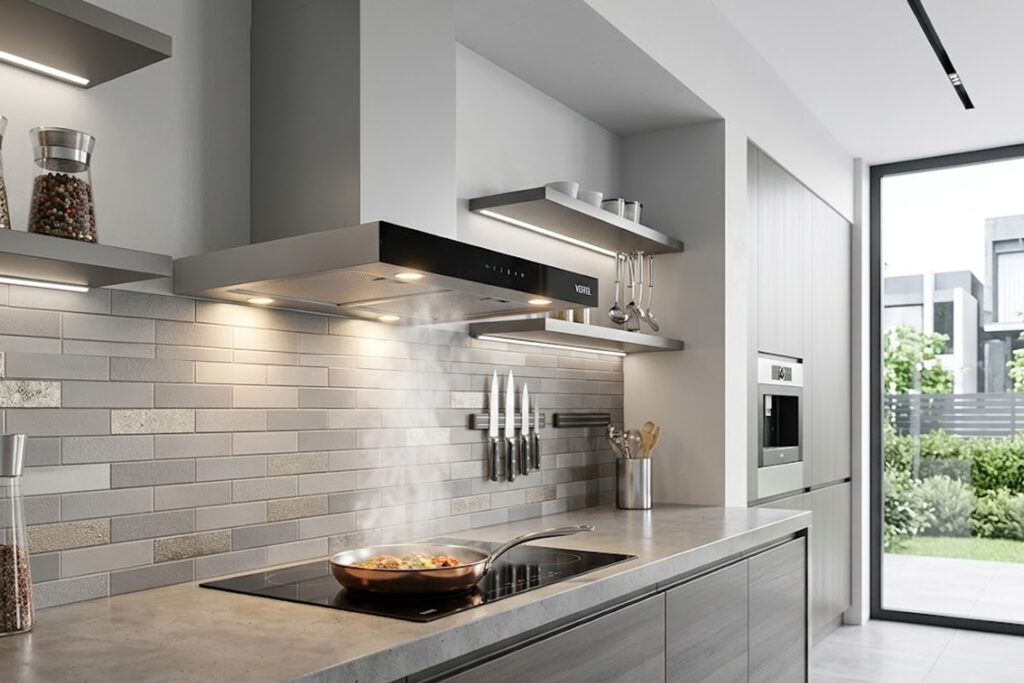
Don’t Skip the Hood
Induction removes combustion gases, but frying and tarka still release smoke and oil vapour. A good hood keeps grease off your cabinets and cooking smells out of the rest of the house.
Induction Hobs From Vestel Pakistan
Vestel is a Turkish brand owned by Zorlu Group, and most of its appliances come out of Vestel City in Manisa. Spread over 1.3 million square meters, it is Europe’s largest single-site complex for producing electronics and home appliances.
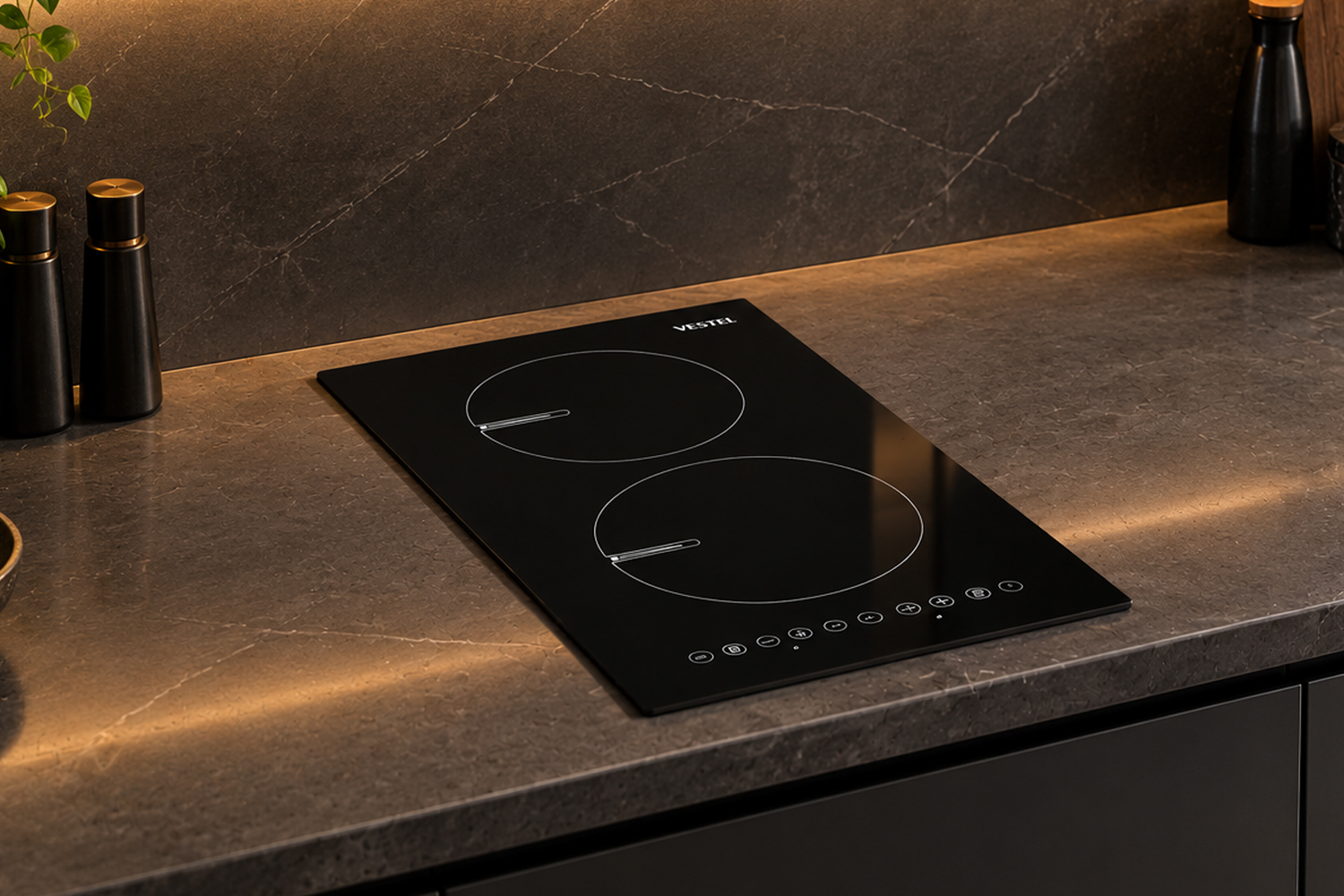
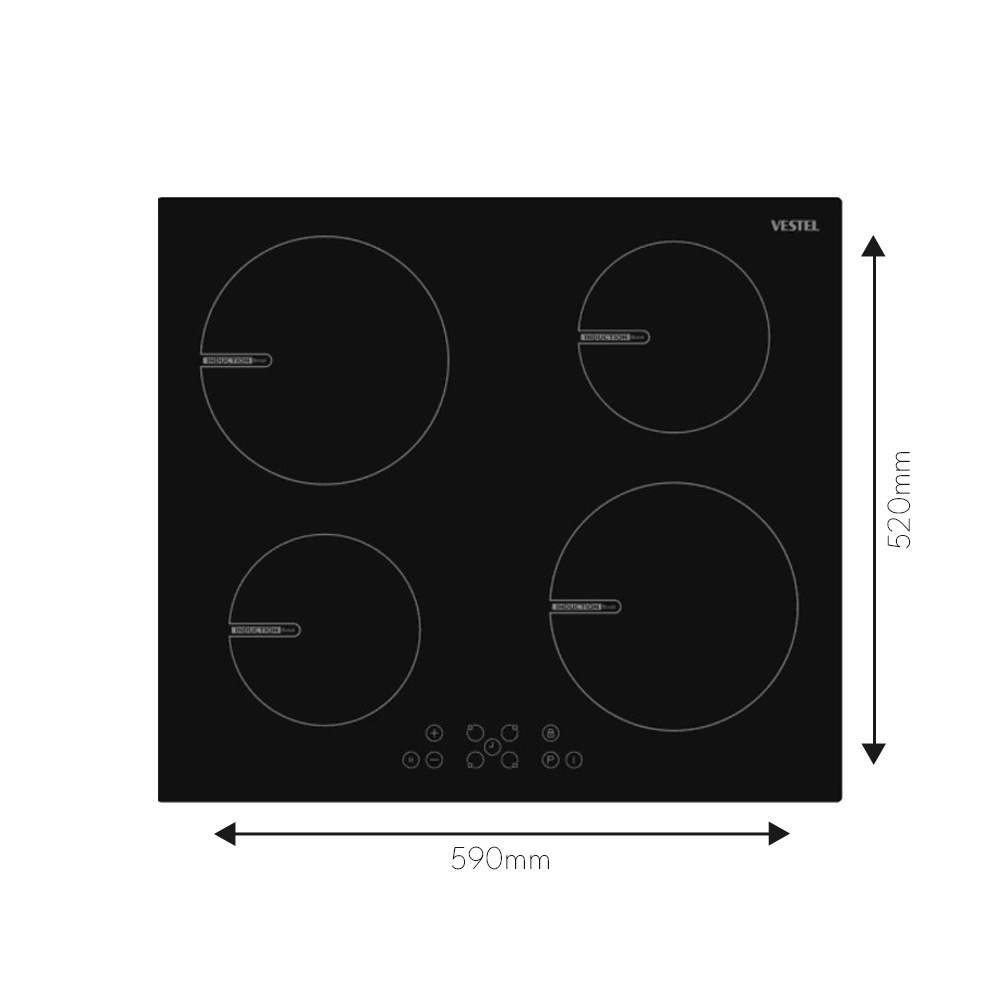
In Pakistan, its induction range includes two built-in models with pot detection, child lock and auto shut-off. The 4 Zone Built-in Induction Hob (60cm) suits families making induction their main cooktop, while the 2 Zone Compact Induction Hob (30cm) fits beside an existing gas hob.
>> Browse Vestel’s Induction and Gas Hobs Collection
VESTEL Showrooms in Pakistan:
Lahore
- Vestel Pakistan 422MB — Main Boulevard, DHA Phase 6
- Vestel Pakistan 75MB — Main Boulevard, DHA Phase 6
- Global Home — 165 DD, CCA, DHA Phase 4
- e-Lux Home Store — Main Boulevard, New Supertown
- N.M Electronics — 89 Temple Road, Mozang Chungi, Abid Market
Islamabad
- Kitchen Care — Jinnah Avenue, Blue Area
Faisalabad
- Universal Electronics — Susan Road, Madina Town
Sialkot
- Mac Hardware — Near Haji Pura Road
Sahiwal
- E-Zone — Opposite A.N Marquee, Madhali Road
FAQs
1. What are the main pros and cons of induction cooktop cooking?
Induction cooks faster, wastes less energy, has no open flame and adds no combustion gases to your kitchen. The downsides are that it needs magnetic cookware, stops during power cuts and costs more upfront than a basic gas hob.
2. Is induction cheaper to run than gas in Pakistan?
It depends on your electricity tariff, gas supply, LPG prices, and cooking habits. Induction can be an attractive option when gas pressure is unreliable or when sufficient solar power is available. However, electricity costs can outweigh the savings for some households. Compare your current fuel expenses with the estimated electricity use of the hob before switching.
3. Can I use an induction cooktop during load shedding?
Only if your backup can handle its power draw, and most standard home UPS units cannot. A solar setup with enough inverter capacity can support daytime cooking. In areas with long outages, keep one gas burner as backup.
4. Which pots work on an induction cooktop?
Cast iron and most stainless steel pots work. Plain aluminium, copper, glass and clay will not heat unless the base is magnetic. If a fridge magnet sticks firmly to the bottom, the pan is induction-ready.
5. Is induction cooking safe for children?
Yes, it is generally safer than gas because there is no flame and no gas leak risk. The hob only heats when it detects a pan, and child lock adds extra protection. The glass can stay warm briefly after cooking, so a hot surface indicator helps.
6. What are the pros and cons of induction range models compared with a built-in hob?
The cooking surface works the same way, so the core pros and cons are identical. A freestanding range combines a hob and oven and is easier to install in rented homes. A built-in hob gives a fitted look and can sit beside a gas hob.
Related Posts